
↓ The P.A.S. Report Podcast is on every podcast platform! ↓


Episode Description
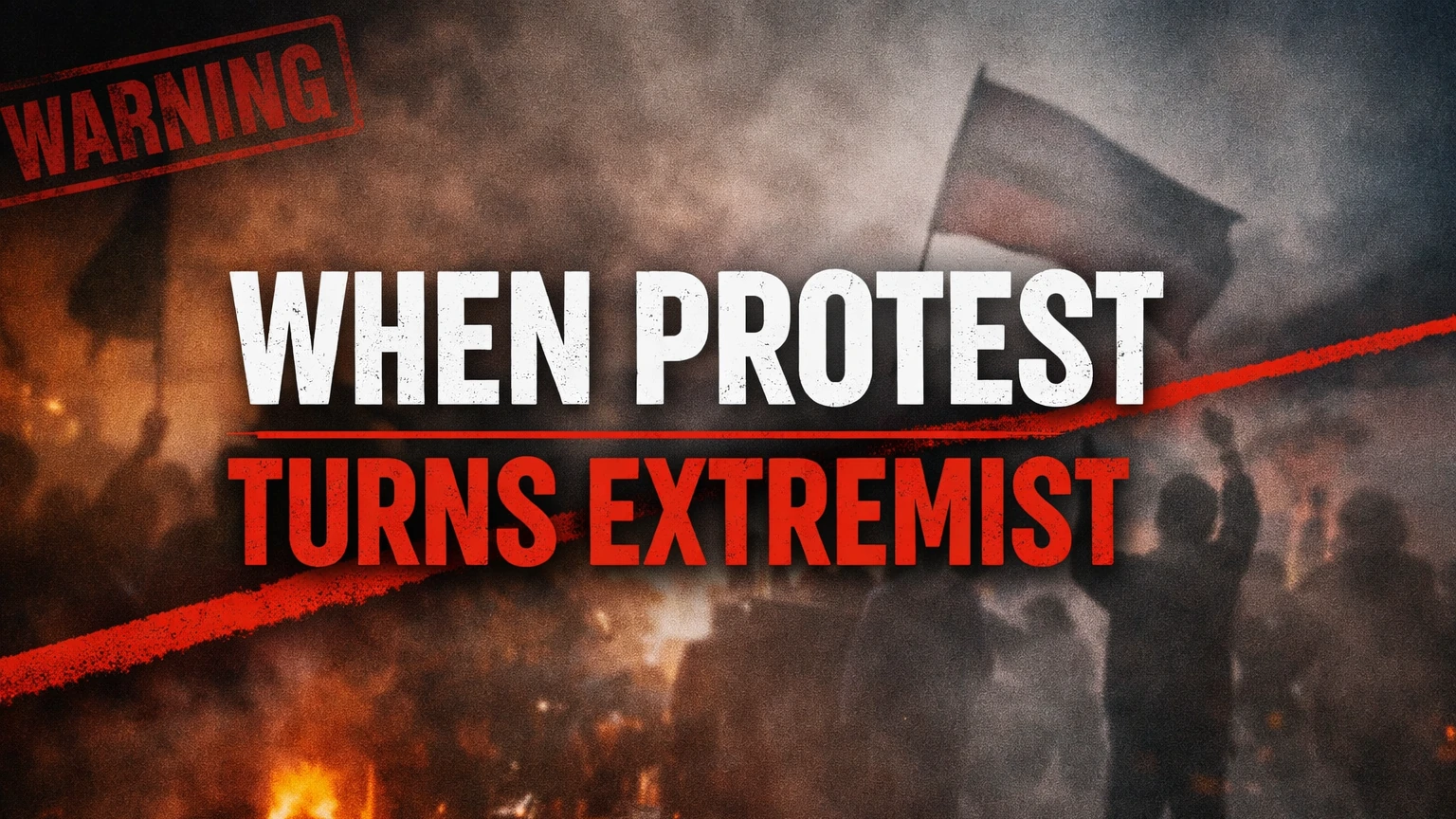
The people who built the domestic terror apparatus are suddenly terrified it’s being used. Professor Nick Giordano exposes the receipts they don’t want you to see. When protest stops being protest and turns into intimidation, coercion, and violence, the government’s response exposes a dangerous line between law enforcement and ideological control.
This episode of The P.A.S. Report Podcast examines NSPM-7 and the National Strategy for Countering Domestic Terrorism through a critical lens, separating lawful dissent and peaceful protest from the extremism now playing out in cities like Minneapolis. It explains how bureaucratic power expanded under the banner of public safety, why political elites are suddenly alarmed, and how pre-crime logic threatens constitutional liberties regardless of who holds office.
What You’ll Learn
- The clear legal and moral difference between peaceful protest and political extremism
- How NSPM-7 redefined dissent, association, and ideology as threat indicators
- Why intimidation, harassment, and obstruction cross the line from protest into extremism
- How Operation Arctic Frost and Prohibited Access files reveal institutional concealment and abuse
- Why dismantling domestic terrorism frameworks matters more than partisan outcomes
This episode confronts selective outrage, exposes constitutional rot, and explains why a free society must protect lawful protest while rejecting extremism enforced through mobs or bureaucratic power.
📲 Subscribe, listen, and share The P.A.S. Report Podcast to stay informed on the latest political issues shaping America.
Click play above to listen to the entire episode or you can listen on any podcast platform
Timestamps
- 00:52 Lawlessness in Minneapolis: When Protest Stops Being Protest
- 02:37 Federalism and the Role of Government
- 05:41 Domestic Terrorism and Surveillance
- 08:17 The Weaponization of Bureaucracy
- 11:24 The Left’s Reaction to Authoritarianism
- 14:05 Belief vs. Conduct in Political Discourse
- 16:58 The Role of Ideology in Law Enforcement
- 19:54 The Consequences of Targeting Beliefs
- 22:37 The Need for a New Approach to Governance
- 25:45 The Dangers of Normalizing Surveillance
- 28:15 The Future of American Liberty
Domestic Terrorism Frameworks and When Protest Becomes Extremism
You have probably noticed something unsettling. Protests that once looked like lawful dissent now feel different. Streets blocked. Businesses stormed. People harassed, threatened, or coerced for refusing to comply with political demands. At the same time, government officials and media figures are warning about “extremism” in ways that seem increasingly vague and selective. The real problem is not just unrest. It is confusion about where legitimate protest ends and political extremism begins.
That confusion is not accidental. It is the result of years of expanding domestic terrorism frameworks that blurred the line between belief and criminal conduct. When the government stopped focusing exclusively on actions and began treating ideology, association, and dissent as “threat indicators,” it created a system that could be used by anyone in power. Today, as violence and intimidation escalate in cities like Minneapolis, that same system is being exposed.
In this episode of The P.A.S. Report Podcast, we dive deep into NSPM-7, the National Strategy for Countering Domestic Terrorism, and the modern consequences of pre-crime policing. The episode explains how lawful protest differs from extremism, why political elites are suddenly alarmed by tools they once defended, and how bureaucratic power has grown far beyond its original justification.
Why Domestic Terrorism Frameworks Changed the Rules
Domestic terrorism frameworks were sold as narrow tools to stop violence. Over time, they evolved into all-of-government systems that assess beliefs, associations, and political activity. Once dissent became a risk factor instead of a protected right, the Constitution stopped being the guardrail and became an obstacle.
When Protest Becomes Coercion and Extremism
Peaceful protest persuades. Extremism coerces. The difference matters. Blocking people from moving freely, threatening livelihoods, storming institutions, and enforcing ideology through intimidation are not protected forms of speech. They are attempts to impose political outcomes through force rather than argument.
Why the Weaponization of the Bureaucracy Matters
The danger is not limited to who is targeted today. When agencies can quietly map political ecosystems, pressure donors, and hide investigations from oversight, power no longer flows from voters. It flows from institutions that exist to preserve themselves.
What This Episode Leaves Open
Who decides when protest crosses the legal line
Why pre-crime watchlists always expand beyond their original targets
How Operation Arctic Frost revealed the scale of political surveillance
What happens when oversight is blocked through internal secrecy
Why dismantling the framework matters more than managing it
🎧 Listen to the full episode now
Protect your privacy online with PureVPN

Online privacy is not optional. A VPN helps keep browsing more private by encrypting internet traffic, masking an IP address, and reducing exposure on public Wi-Fi. It also helps limit tracking and can support access to content when networks block or restrict it.
✅ Encrypts Your Data & Internet Traffic for Added Privacy
✅ Masks Your IP Address & Location
✅ Bypasses Geo-Restrictions & Censorship
✅ Helps Secure Public Wi-Fi Connections
*Disclosure: This site contains affiliate links. If a purchase is made through these links, PA Strategies, LLC may earn a commission at no additional cost to the buyer.
📢 Subscribe to the podcast and leave a 5-star review
✅ Share the Episode
If you value real analysis over manufactured outrage, help spread the word. Subscribe, leave a 5-star review, and share this episode with a few people who will appreciate it.