

Episode Description
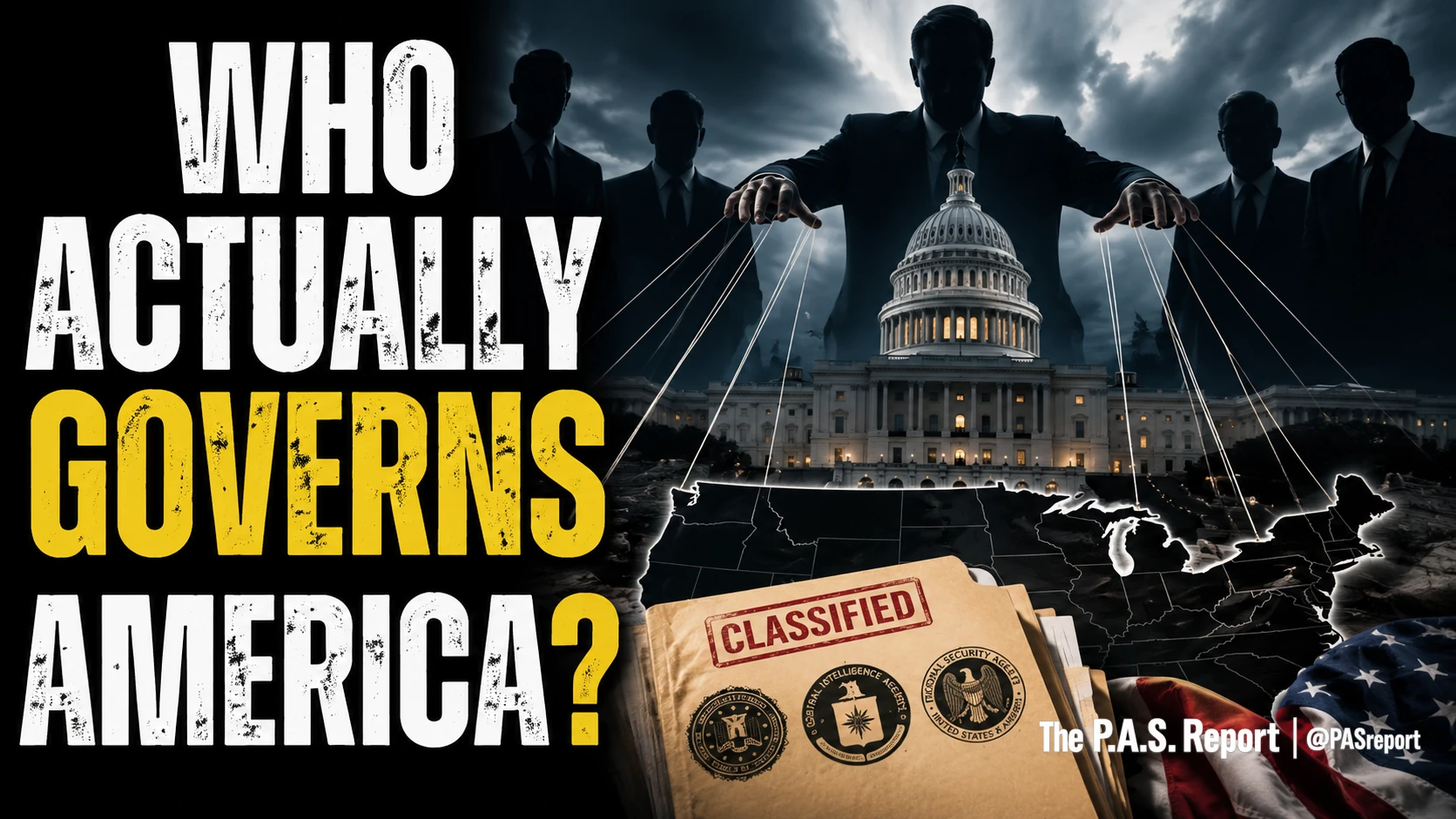
Who actually governs America? Has the administrative state accumulated so much power that it now operates beyond the constitutional authority granted by the American people through their elected representatives?
In this episode of The P.A.S. Report Podcast, Professor Nick Giordano examines newly declassified intelligence records, the Floris email, and FBI documents released by Senator Chuck Grassley. These revelations raise serious constitutional questions about whether unelected bureaucrats manipulated intelligence, suppressed critical information, and increasingly viewed themselves as independent from the elected officials they are supposed to serve.
This episode examines the administrative state, the Intelligence Community, constitutional accountability, separation of powers, and the growing influence of the permanent bureaucracy, often referred to as the Deep State, through the lens of the U.S. Constitution and the Federalist Papers. Discover how post-9/11 intelligence reforms, institutional self-preservation, and bureaucratic mission creep may have shifted power away from elected officials and toward unelected government institutions, raising a fundamental question: Do the American people still govern the United States, or has the administrative state become America’s unelected fourth branch of government?
What You’ll Learn In This Episode:
- Why newly declassified intelligence documents raise constitutional questions that extend far beyond a single administration.
- How the administrative state expanded after 9/11 and fundamentally changed the relationship between intelligence agencies, elected officials, and the American people.
- Why controlling the flow of intelligence can shape constitutional decision-making at the highest levels of government.
- How mission creep, bureaucratic self-preservation, and institutional incentives threaten constitutional accountability.
- Why the Founders designed a government accountable to We the People and what happens when permanent institutions begin operating outside those constitutional boundaries.
Topics Covered: Administrative State, Deep State, Intelligence Community, FBI, FISA, Constitutional Accountability, Separation of Powers, Self-Government, Federalist 51, Permanent Bureaucracy, Floris Email, Intelligence Reform, Chuck Grassley, Professor Nick Giordano, The P.A.S. Report Podcast
📲 Connect with the Show and take a moment to share this episode with friends, family, and colleagues, and leave a 5-star rating and review on Apple Podcasts or Spotify.
Click play above to listen to the entire episode or you can listen on any podcast platform
Episode Chapters
- 01:32 Who Actually Governs America?
- 04:43 Declassified Intelligence and the Administrative State
- 12:19 The Bureaucracy vs. the Constitution
- 21:27 How the Administrative State Took Power
- 28:52 Intelligence, FISA, and Government Abuse
- 38:59 Why Bureaucracies Protect Themselves
- 44:42 Can America Restore Constitutional Accountability?
Administrative State: Who Actually Governs America? The Constitutional Crisis Hiding in Plain Sight
You vote. You follow the news. You expect the President and Congress to make the decisions that shape the country. But what if unelected bureaucrats increasingly influence what elected officials are allowed to know? If intelligence can be manipulated, information withheld, and oversight circumvented, then the question extends far beyond politics. It strikes at the heart of whether constitutional self-government still functions as the Founders intended.
In this episode of The P.A.S. Report Podcast, we dive deep into the newly declassified intelligence documents, the Floris email, and FBI records released by Senator Chuck Grassley to examine a much larger constitutional question: Who actually governs America? Rather than focusing on personalities or partisan politics, this episode explores how the administrative state, post-9/11 intelligence reforms, and institutional self-preservation may have fundamentally altered the balance of power between unelected bureaucrats and the constitutional branches of government.
Why the Administrative State Matters to Every American
The Constitution created a government accountable to We the People through elections, separation of powers, and checks and balances. Yet today’s administrative state exercises tremendous influence over intelligence, regulation, and policymaking despite operating largely outside direct electoral accountability. Understanding how that system evolved is essential to understanding the growing debate over constitutional government, executive authority, and the role of permanent federal institutions.
How Intelligence Shapes Constitutional Decision Making
Information drives every major national security and public policy decision. Presidents, members of Congress, and federal courts all depend on accurate intelligence to fulfill their constitutional responsibilities. This episode explores why controlling the flow of intelligence can influence constitutional decision-making itself, why post-9/11 reforms dramatically expanded the federal government’s intelligence capabilities, and why those changes continue to generate intense constitutional debate today.
Can America Restore Constitutional Accountability?
Every institution develops incentives to protect itself. Government agencies are no exception. As bureaucracies grow, questions naturally arise about mission creep, institutional self-preservation, congressional oversight, and the proper limits of executive agencies. This episode examines whether existing constitutional safeguards remain strong enough to preserve self-government or whether meaningful reforms are necessary to restore accountability between the administrative state and the American people.
Questions This Episode Answers
- What do the newly declassified intelligence documents reveal about the administrative state?
- How did post-9/11 intelligence reforms permanently change the federal government?
- Why does controlling intelligence affect constitutional decision-making?
- Has the permanent bureaucracy evolved into an unelected fourth branch of government?
- What reforms could restore constitutional accountability and strengthen self-government?
📢 Subscribe to the podcast and leave a 5-star review

✅ Share the Episode
If you value real analysis over manufactured outrage, help spread the word. Subscribe, leave a 5-star review, and share this episode with a few people who will appreciate it.